
– Nutrition is one of the most important aspects of physical health. A proper diet ensures you receive the correct amounts of nutrients needed in order to keep up with your physical wellbeing. This is where meal planning comes in.
What is Meal Planning?
– Meal planning is the process of preparing foods according to nutrient content and proportion. This ensures that not only is every meal appetizing, but healthful too. There are also other benefits to meal planning such as reducing waste and saving money through budgeting.


– Every meal planner knows how difficult it can be to prepare the adequate amount of nutrients needed for each meal. The proper amounts of fats, proteins, and carbohydrates are crucial to a healthy diet. Fats and carbohydrates can be the easiest to implement into your meals, but getting the right amount of protein from good sources can be difficult. However, once you figure it out, future meal planning should be a breeze.
Adding in More Protein
– There is a myriad of protein sources available; red meats, poultry, and fish are the most common and available year-round. Depending on where you live and access to butcher shops, there may be additional options, like bison, veal, and even alligator. However, for the sake of ease, we’ll keep it simple.
Red Meat
– Red meat has been a staple source of protein in cultures all over the world for centuries. Beef, pork, lamb, venison, and goat are the most common sources of protein from red meat. Cooked red meat typically contains between 27-35g of protein per 100g of cooked weight. While red meat may be high in protein, it can also be high in saturated fat content. It’s best to stick with leaner cuts of meat when choosing red meat as it has lower fat content.

Poultry
– Poultry is often a more preferred option to red meat. It tends to be leaner and can be prepared in many ways. Salads, wraps, and sandwiches are just a few ways they’re prepared. There are even ground poultry options for dishes like burgers, lasagna, and tacos. On average, one ounce of cooked poultry contains approximately 7 grams of protein.
Eggs
– Eggs are one of the most bio-available sources of protein. That means the amount of
protein available for use after digestion is relatively higher compared to other sources. One grade A large egg contains approximately 6 grams of protein. You can use eggs in dishes like quiche, frittatas, and you can even blend them in smoothies.


Fish
– Fish are an excellent source of protein, and oily fish typically have the added benefit of providing omega-3 fatty acids. Most cooked fish typically contain around 6 grams of protein per ounce. Mackerel, tuna, salmon, and trout are a good start to creating a high protein meal plan.
Additional Sources of Protein
– While meat, fish, and poultry are staple sources of protein, there are other ways to create a high protein meal plan. Although additional sources may not have as much protein as meat, they can still be added to a meal without drastically affecting fat or carbohydrate content.
Vegetable Protein
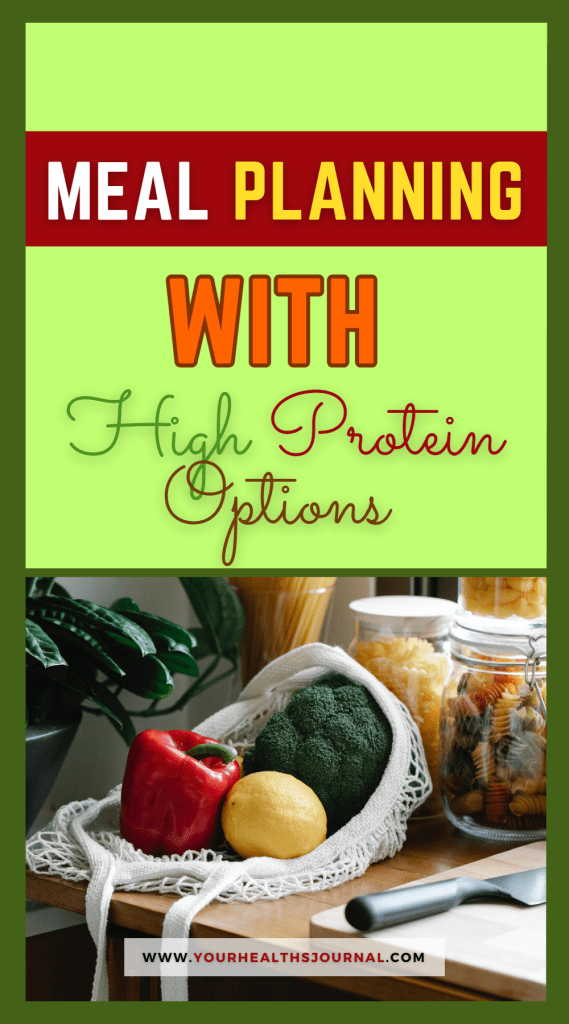
– Vegetable proteins, for the most part, aren’t complete proteins, but they do have added benefits. Vegetables often contain antioxidants like polyphenols, vitamins, and minerals. They also lack transitive fats and most are low in carbohydrates and calories. Alfalfa sprouts, spinach, and Chinese cabbage contain approximately 1 gram of protein per cup of vegetable.
Nuts & Seeds
– Nuts and seeds have moderate amounts of protein and are often full of vitamins, minerals, and omega-3 fatty acids. They can be added to salads, cereals, or just eaten whole. Nuts and seeds can have anywhere between 20-30g of protein per 100g serving. Almonds, peanuts, flax seeds, and sesame seeds are excellent options to add to your meals or snacks.
– Dear Internet users, know what and how to eat even if you like food. Learn to balance your diet by eating fruits and vegetables. Don’t eat too much fat, don’t overdo it. It’s even better to stop eating after 6 p.m., as this will help you keep the weight off. Drink lukewarm water two or three times a week for forty-five minutes before breakfast, to help clean out your digestive tract. Even if you’re not an athlete, do some physical exercise and learn to stretch every morning. If you can’t do it, do it at least two or three times a week! These tips can be very useful, can’t they?
– Supporting our blog is the only way to show us that you appreciate our work. Follow us on Facebook, Instagram, Pinterest, and Twitter. Visit our shop to get our digital products. If you don’t want to miss any updates, enter your email to subscribe here!
-Anne-Vasthi





 Your Health's Journal
Leave a comment