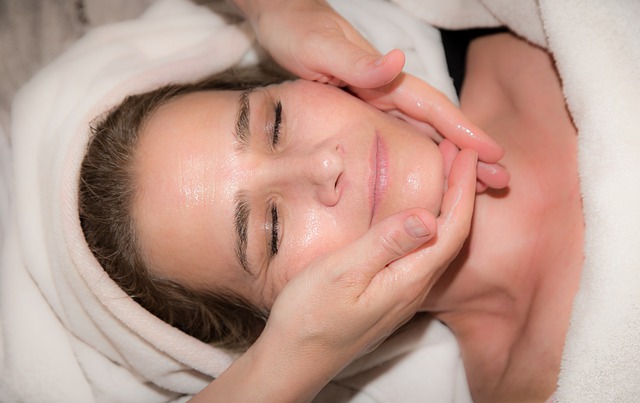
– If you’re trying to figure out a healthy skincare routine, it’s important to include your scalp. Many people take great care of the skin on their face, but they completely neglect their scalp and let it get oily, irritated, or damaged. For healthy skin and hair, you should always take care of your scalp.
Tips for a Healthy Scalp
Don’t wash your hair every day
– At most, you should wash your hair with shampoo every other day. Many people prefer washing every three or four days for healthy hair and a healthy scalp. If you use shampoo every day, you’ll strip away the natural oils in your scalp that provide moisture to your hair. This can lead to dry, flaky skin and damaged hair.
– However, it’s also important not to wait too long between washes. For most people, going five or six days without shampooing can cause oil, dead skin, and hair product residue to build up on the scalp, which may lead to inflammation and itchiness.

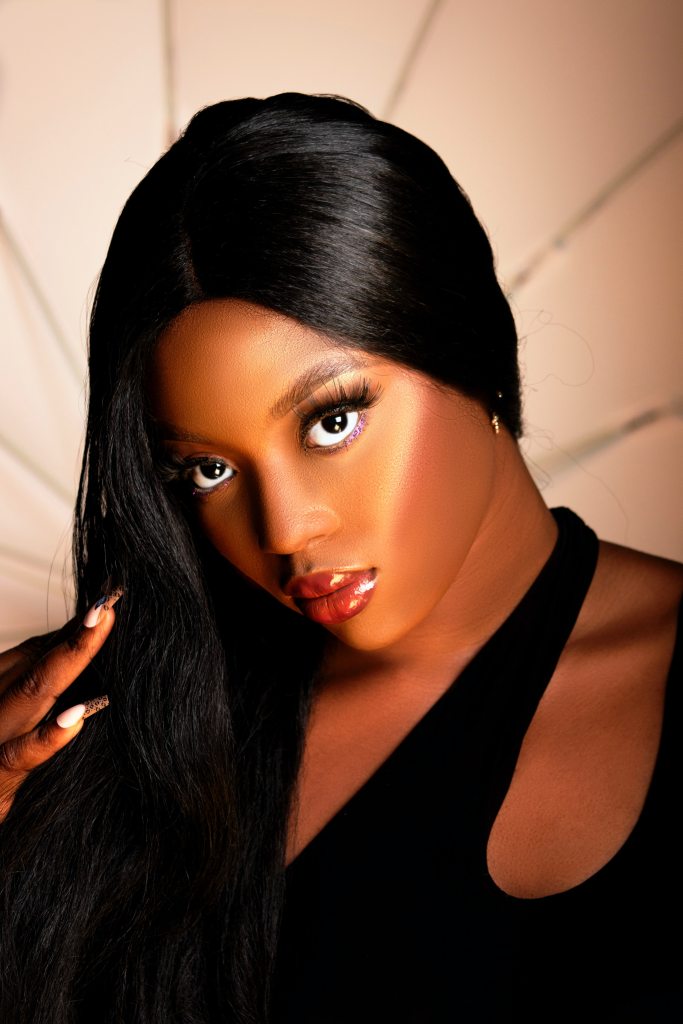
– The exact frequency at which you should wash your hair depends on your hair type. People with naturally dry hair and skin should go more days between washes than people with oily hair. Everyone should use a gentle and sulfate-free shampoo to protect their scalp.
Use conditioner every day
– Conditioner isn’t just important for healthy hair. It also moisturizes the skin on your scalp. Even when you don’t shampoo your hair, rinsing it with water will remove some of the moisture. Just like you should moisturize your face after washing it, you should moisturize your scalp after it’s exposed to hot water in the shower. The best conditioners usually contain plant oils or ceramides, which are waxy lipids that are great for moisturizing your scalp.
Exfoliate your scalp
– Exfoliating your scalp is just as important as exfoliating the skin on your face, especially if you use hair products every day. Hair products, dead skin, and other debris can build up on your scalp over time, and shampoo won’t always wash it all away. This can cause your scalp to become inflamed, irritated, or oily, and it can block hair growth.
– About once a month, you should use an exfoliating scalp mask to get rid off all the residue that has built up on your head. These products usually contain small granules that will break up and loosen the debris in your scalp. Some also contain salicylic acid or other acids that dissolve dead skin. You should massage the exfoliating mask into your scalp for several minutes, then rinse your hair thoroughly to wash away all of the particles.
Eat a healthy diet
– Your diet can have a major impact on your skin’s health. Make sure to eat foods that are rich in vitamins and nutrients, especially vitamins A and C, which help with circulation in your scalp. Colorful fruits and vegetables should provide you with the vitamins you need, but you can also take a multivitamin to make sure you’re not missing anything.



– Zinc is also important for scalp health, especially if you have dandruff. To get more zinc in your diet, you can eat legumes, nuts, fortified cereals, and oysters. Folic acid helps with cell renewal in your scalp, which will keep the skin healthy. Broccoli, carrots, beans, and nuts are all great sources of folic acid.
Scalp Skin Conditions to Watch Out For
– If your scalp has felt particularly irritated or uncomfortable, it may be more than just dry skin or dandruff. Here are some common scalp conditions that could be responsible:
Psoriasis
– Psoriasis is an autoimmune disease that speeds up your skin’s life cycle, which causes skin cells to rapidly build up and form a rash. Psoriasis rashes usually look pink and scaly, and they may crust up or bleed.
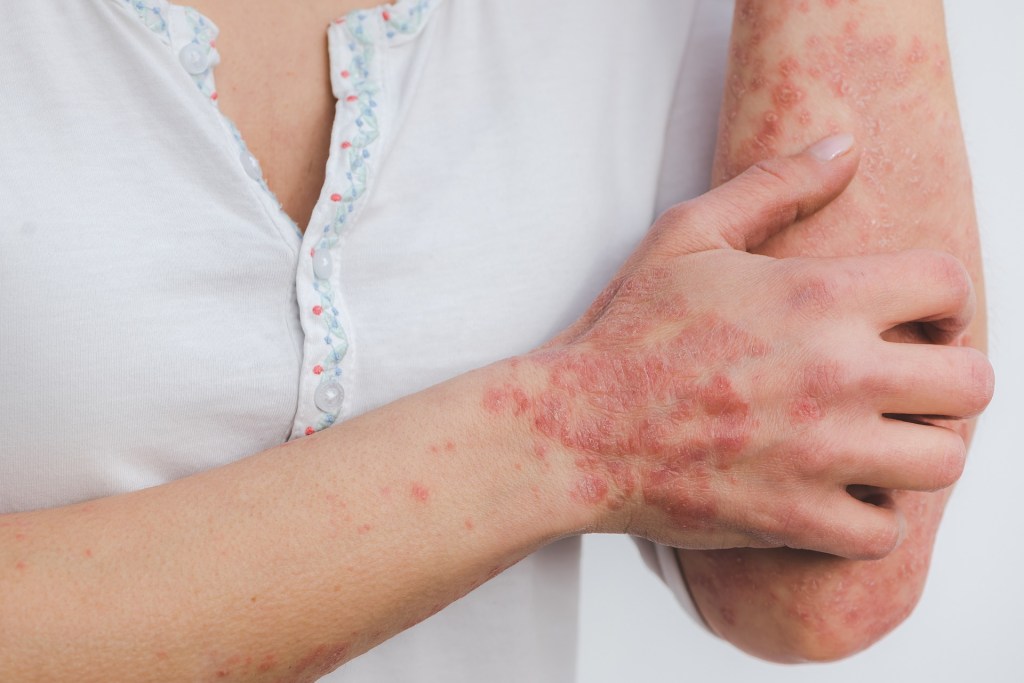
– The scalp is one of the most common places to experience psoriasis. Treatments include steroids, injections, and lasers to handle flareups. Following a healthy hair care routine can also help you manage the condition.
Folliculitis
– Folliculitis causes the hair follicles to become inflamed after irritation or a bacterial infection. It can result from heavy conditioners, hair dye, excessive sweating, and shaving. The condition usually causes small bumps to form across the scalp. The most common treatments for folliculitis are antibiotics and anti-inflammatory medications.
Seborrheic Dermatitis
– Seborrheic dermatitis causes red, scaly patches across your scalp, which leads to itchiness and dandruff. It’s usually triggered by weather changes, stress, or other factors. You can treat it with special shampoos and topical steroids, but if you let it progress without treatment, it can be harmful to your scalp and hair.
– Just as the scalp, the skin and the nails require good treatment for optimum maintenance, never forget to opt for a healthy diet because, from the latter, robust health emanates. Dear readers, have a healthy life!
– Anne-Vasthi







 Your Health's Journal
Leave a reply to DEVANG UPADHYAYA Cancel reply