

The list of what a journal can do for you is long and extensive. Everyone uses their
journal for different things, from gratitude journaling to recording your daily life. Another amazing benefit you get from writing in a journal is to use it for self-therapy.
This means you can help with difficult situations in your life by writing in your journal,
just as you would when you talk to a therapist. It doesn’t replace professional help, but it
can be an amazing tool.
Using a journal for self-therapy can be an effective way to process thoughts, feelings, and experiences. Here are some tips on how to use journaling for self-therapy:
1-Set an Intention
Before you start writing, take a moment to clarify what you hope to achieve. This could be self-reflection, emotional release, or problem-solving.
2-Create a Safe Space
Find a quiet and comfortable place to write. Ensure it’s a space where you feel safe and free from distractions.
3-Choose a Format
Decide on the style of journaling that suits you best. You can write freely, use prompts, or create structured entries (e.g., gratitude lists, daily summaries, or mood trackers).
4-Practice Free Writing
Let your thoughts flow without censoring yourself. Set a timer for 10-15 minutes and write continuously about what’s on your mind.
5-Reflect on Your Emotions
Take time to explore how you feel about specific situations or experiences. Write about your emotions in detail, and try to identify their causes.
6-Use Prompts
If you’re unsure where to start, consider using prompts such as:
- What are three things I’m grateful for today?
- What challenges am I currently facing, and how do I feel about them?
- How do I want to feel, and what steps can I take to get there?
7-Track Patterns
Over time, look for recurring themes or patterns in your entries. This can help you identify triggers or areas for growth.
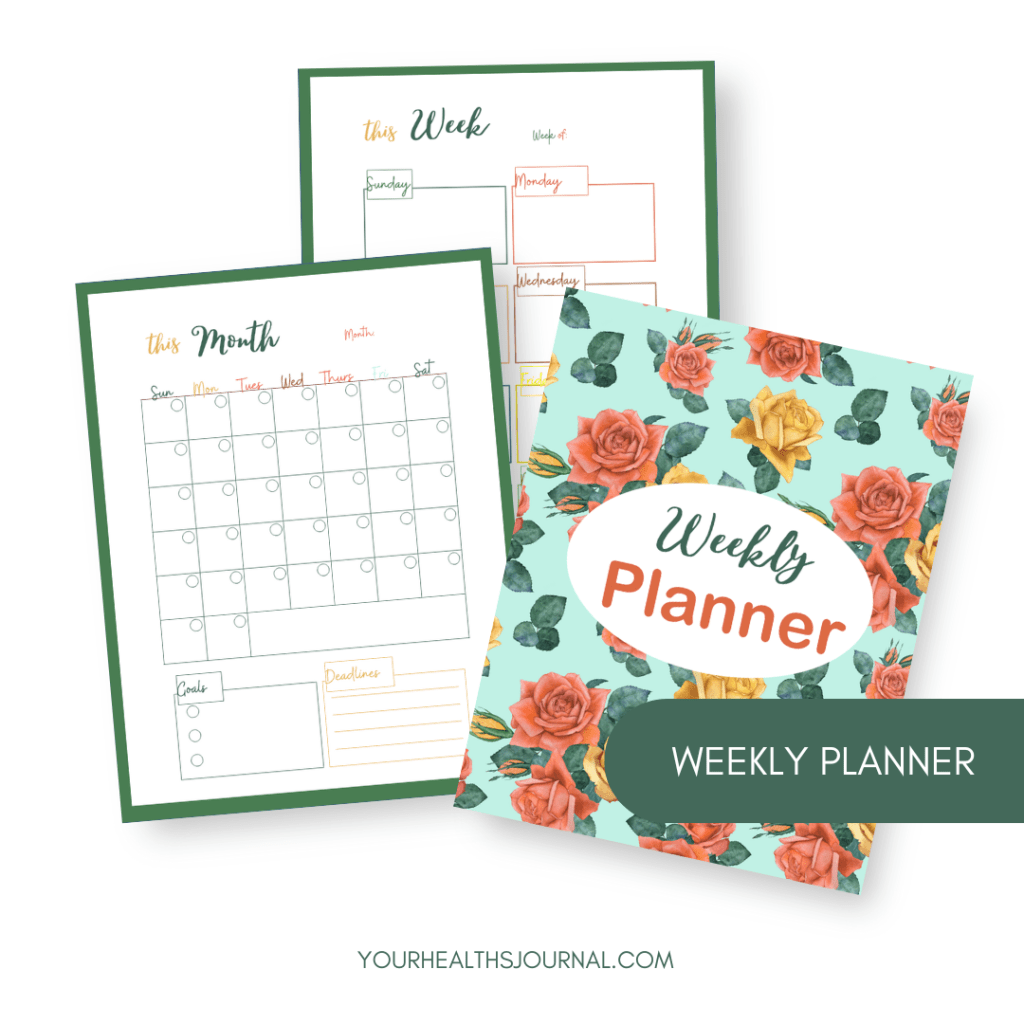
8-Set Goals
Use your journal to establish and track personal goals, whether related to mental health, personal growth, or life changes.
9-Review and Reflect
Periodically revisit your previous entries. Reflecting on past thoughts and feelings can provide insights into your progress and ongoing challenges.
10-Practice Self-Compassion
Be kind to yourself while journaling. Accept that it’s okay to have difficult emotions, and allow yourself to express them without judgment.
11-Incorporate Different Techniques
Consider blending journaling with other therapeutic practices, such as mindfulness exercises or creative expression (like drawing or poetry)
12-When You Need to Talk About Your Feelings
This is one of the main reasons people seek out professional therapy, so it makes
sense that you can use your journal for the same thing. Use your journal to write about
how you are feeling, vent your frustrations, and try to come to terms with anything you
are struggling with. Use your journal as a way to dump all those thoughts and feelings,
get them out of your head, and work through them.

13-To Work Through a Difficult Situation
Are you dealing with something stressful or hard in your life? This is exactly when you
should be using your journal the most. Oftentimes, you need a way to navigate through
different thoughts you have about something. Keeping it all in your head makes you feel
like you are going in circles, but you never really get anywhere.
14-Making a Hard Choice
Sometimes all you need to make a difficult or complicated decision is to get some
perspective. That is what a journal can help you to get, simply by talking (writing) it out.
Journaling helps you find clarity about these types of decisions, whether that means just
writing about the decision and which direction you’re considering, or making a pros and
cons list.
15-Finding the Next Direction in Your Life
Another similar way to use a journal for self-therapy is when you’re not sure about the
direction of your life right now, and what you want to focus on next. This isn’t
necessarily something you figure out with one journal entry but over time. Start using
the journal every day to write whatever you are thinking or feeling at the time, and make
sure to be honest about how you feel about your life, and what other things you might
want to explore. One day, you will have an epiphany thanks to your journal.
16-When You Want to Forgive Someone
If you are struggling with a friendship or relationship because of something they did,
forgiveness is really important. The hard part is knowing how and when to forgive. Use
your journal to work all this out. Detail what happened and why it was so hurtful to you.
Write about why you want to forgive them, and what is currently holding you back. This
alone can give you the clarity you need.
17-End with Positivity
Conclude each session with positive affirmations or reflections on what you appreciate about yourself or your life.
Remember that journaling is a personal practice, so feel free to adapt these suggestions to fit your needs and preferences. The goal is to foster self-awareness, understanding, and healing.
Don’t forget to follow us on Facebook, Instagram, Pinterest, and Twitter. Visit our shop to get our FREEBIE. If you don’t want to miss any updates, enter your email to subscribe here!
See you soon,
Ludmilla!







 Your Health's Journal
Leave a reply to Pooja G Cancel reply