
You have heard of being a vegetarian, vegan, plant-based, and even other forms of
vegetarian like a lacto-ovo vegetarian. The flexitarian is yet another way to remove
meat and animal products from your diet, but not entirely. Instead of committing to
never eating meat or fish again, you are more flexible. Flexitarians eat much less meat than people who follow a typical diet, but still a little more than a vegetarian or vegan.
Here is more information about this type of diet.
-You Eat Less Meat and Animal Products
First, a flexitarian is close to a vegetarian because you don’t eat many animal products. Most of your diet comprises whole, plant-based foods, like lots of fruits and veggies, nuts and seeds, and whole grains. While you might eat eggs and dairy regularly, other animal products like meat and fish are pretty rare.
-Your Diet Consists of Mainly Whole Foods
In addition to eating less meat, you probably have a healthier diet than the standard
American diet. This consists of whole, clean foods, and less processed foods in general.
That way, you know you are getting a good amount of nutrients, including enough
protein and iron that you might have otherwise missed out on by not eating as much
fish, poultry, and meat. If you eat too many processed foods, your protein will likely be
much too low, and you may start noticing issues.
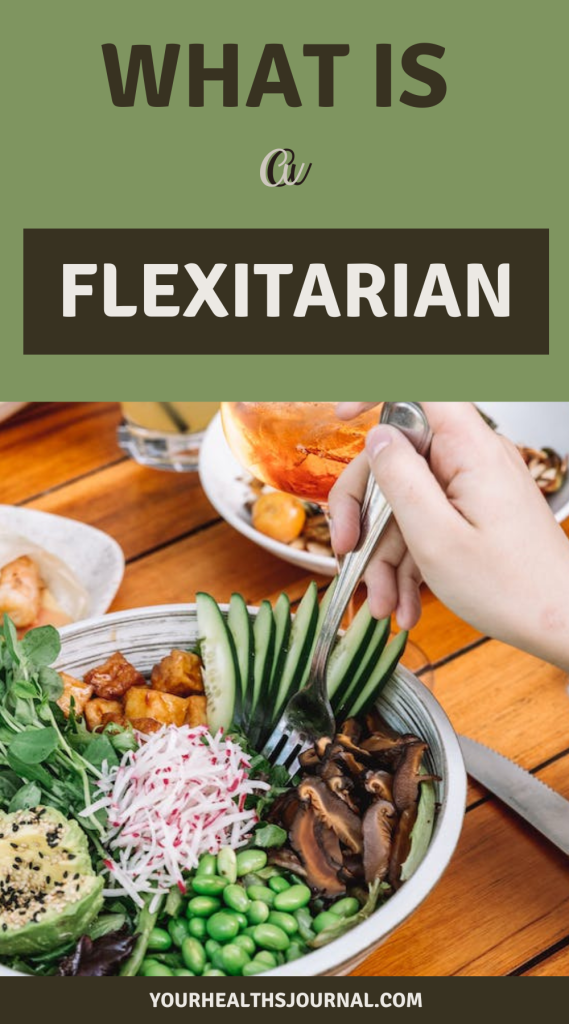
-Most of Your Protein Comes from Plants
You still need protein when you are a flexitarian, but instead of getting your protein from animal sources, you will still get most of your protein from plant-based sources. People on a standard diet without restrictions, often start with their type of meat or poultry as the main protein of their meal. Instead of doing that, you will focus on plant-based types of protein, such as beans, nuts, seeds, and whole grains. Some excellent sources of protein for people who follow the flexitarian lifestyle include:
- Chickpeas and other beans
- Nuts and nut butters
- Oats
- Greek yogurt
- Tofu
-The “Flex” in Flexitarian
As a flexitarian, you might still have some animal products, but far less than what other people eat. Maybe a couple days a week, you want to add chicken to your veggie stir-fry, or you go out to eat and the salmon sounds good. But overall, it is limited and not the bulk of your diet.
Some media have pointed to flexitarian as a growing deformation of the omnivorous diet. No vegetarian organization recognizes it as a category of vegetarianism and, in general, it is seen as paradoxical and difficult to delimit. It has also been referred to as part-time vegetarianism.
Don’t forget to follow us on Facebook, Instagram, Pinterest, and Twitter. Visit our shop to get our digital products. If you don’t want to miss any updates, enter your email to subscribe here!
See you soon,
Ludmilla!







 Your Health's Journal
Leave a comment