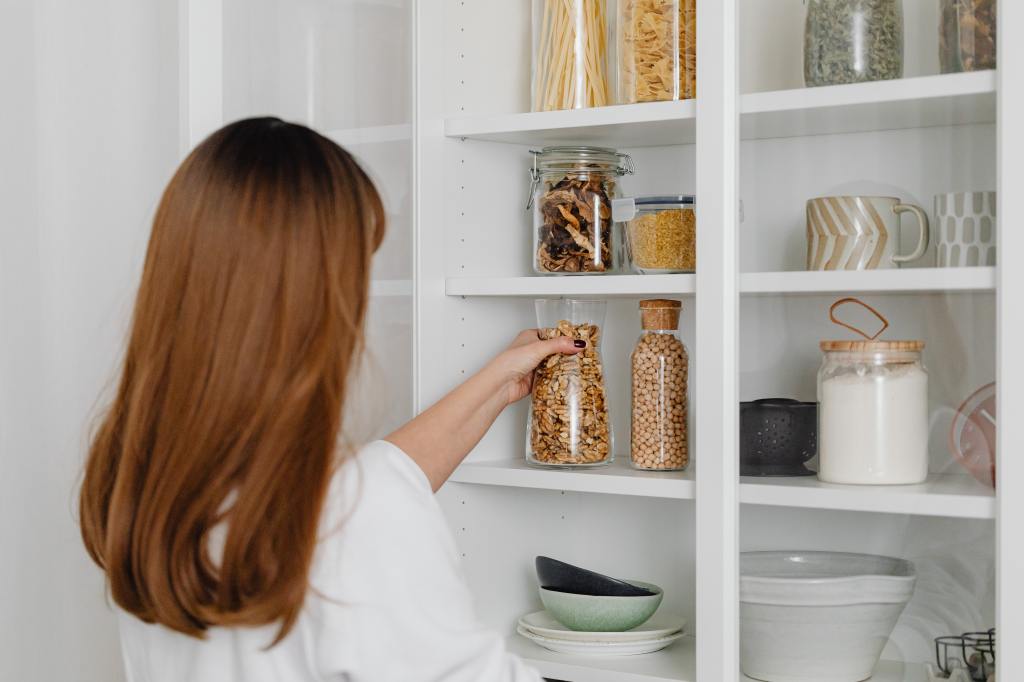
– Are you looking to start building up an emergency food storage? This is a great way to prepare for emergencies like natural disasters or any reason you need to be home for long periods of time and might not have the ability to purchase more food.
– Here are some easy tips for gradually building your emergency food storage.
Build Your Emergency Food Storage Slowly
– It can be tempting to go out and spend hundreds of dollars on food for emergencies, but this isn’t helpful or practical. You want to start slow, and build it up just a little at a time. One of the easiest ways to start working on your emergency food storage is just to buy a little extra of certain types of food or bottled water.
– If you buy one package of ground beef for tacos one week, buy 2 packages of ground beef instead. Grab an extra box of bottled water when it is on sale, or slowly add more items to your pantry that you know will last for a long time.
Make Water Your Priority
– Having clean drinking water and water that can be used for other things should be your number one priority when it comes to emergency food storage. Water is the best thing you can have in your home, since it comes in handy in so many different emergency situations. You can use it as clean drinking water, for cooking, brushing your teeth, bathing, cleaning, and so much more.


– Try to stock up on bottled water either in the pantry or in other areas of your home, like storing it in your garage or basement. Just be aware even bottled water has expiration dates.
More Emergency Food Storage Tips
– Here are a few more tips to follow when you are putting your emergency food storage together.
– Stock up on more non-perishable food items. Yes, even the processed ones! These are going to come in handy in an emergency. This should include canned and jarred foods, freeze-dried and dehydrated snacks, and anything that is pantry safe, like nut butters, granola bars, and other processed snacks.
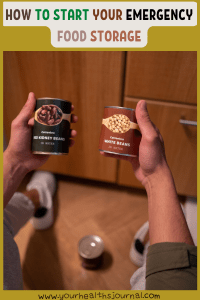
– Get vegetables in cans, not frozen. While frozen vegetables are great for normal daily cooking, in emergencies, the power often goes out. Stocking up on frozen vegetables isn’t going to help you much in those situations. Get plenty of veggies and tuna in cans for emergencies.
– Be smart about where food is stored. For example, if there is a flood in your area, keeping all that food on the ground level of your home is only going to get it ruined. Make sure you choose an area higher up above the ground, and store it in containers that will protect it.
– Supporting our blog is the only way to show us that you appreciate our work.
– Follow us on Facebook, Instagram, Pinterest, and Twitter. Visit our shop to get our digital products. If you don’t want to miss any updates, enter your email to subscribe here!
– Anne-Vasthi





 Your Health's Journal
Leave a comment